Tips to Increase Instagram Engagement
The Instagram platform makes use of a constantly evolving algorithm to dictate the order of posts that users see in their feeds. Instagram’s algorithm aims to predict what posts you want to see and the content you care about. The algorithm takes into account several key factors when prioritising content in user feeds; engagement is perhaps the most important part of the algorithm. But what characterises engagement and how is it measured? An even better question is how do you increase engagement on your Instagram?
For engagement purposes, you should focus on several defining metrics:
Views and impressions
Views and impressions are the total number of times your post (whether photo or video) has been seen. They can come from a user seeing your post on their feed, directly on your profile, or the Explore page.
- Likes
Likes are Instagram’s simplest form of measuring engagement. They serve as a good quantitative measure of how ‘likeable’ your content is. Though likes are not the deepest form of engagement, they still represent the baseline popularity of your post.
- Comments
Similar to likes, comments are a quantitative measure of engagement but are a much more valuable form because they are much deeper than a simple double-tap. To comment on a post means users are highly engaged with your content because they took to respond or say something about it.
- Shares and reposts
Shares and reposts essentially act as organic advertisements of your brand or content. This form of engagement goes even deeper than a comment. A share or repost indicates that users are willing to be associated with you and your brand.
While these are the primary measure of engagement, it is also important to keep tabs on interactions, which are the total number of actions taken on your profile such as visits, clicks, and contact.
Now that you know the metrics that measure engagement, here are some tips to improve your profile’s engagement:
9 Powerful Tips to Boost Your Instagram Engagement
- Create quality content. It is no secret that Instagram is a visual sharing social media platform. Creating visually appealing posts is essential to getting users to stop scrolling through their feed long enough to really engage with your post. Take the time to create visuals that stand out. Rather than focusing on posting products, try sharing experiences or telling stories that draw people in and gives them a reason to double-tap.
- Be consistent. Now that you are creating quality content, it is important to establish and maintain a consistent posting schedule. Posting regularly is a good way to build a loyal following on Instagram allowing followers to build a relationship with your brand and get into a habit of engaging with your content.
- Know the best times to post. Knowing when to post ensures your audience is actually seeing your content, which is key to getting high engagement on your posts. You can track previous post engagement and manually using a combination of Instagram Insights, data monitoring, and testing different posting times or there are a variety of different apps and tools available that do all the calculations for you. Either way you do it, it is important to know when your target audience is online so your posts are fresh in their feeds.
- Establish a ‘look’ to your posts and overall profile. Give your posts a distinct filter and establish a colour scheme. Establishing a defining look and sticking to it gives followers the opportunity to recognise your posts on their feed and gives your profile an identity.
- Regularly post stories and make use of sticker features. Stories may only last for 24 hours, but they are a great way of increasing engagement. Stories can be used to draw attention to new posts and encouraging viewers to check out your profile. Using Story stickers is also a great way to start conversations about your brand. Use the question sticker to let your followers get to you or get more information about your brand. Poll and vote stickers can be used to understand and gauge followers’ opinions regarding your products or services.
- Use hashtags. Instagram allows you to use up to 30 hashtags per post and you should make use of this feature; 30 hashtags might be excessive but using a good number of hashtags can increase the reach of your post. Create a basic branded hashtag that should be applied to any post and can be used by followers to share user-generated content associated with your brand. Branded hashtags can also be used for product launches, promotions, and special events. Long-tail hashtags are detailed hashtags that can also be used to reflect the content of your post. Long-tailed hashtags are better to use than simple hashtags because there are fewer associated posts to compete with and you are more likely to be discovered.
- Include locations. Adding a location to every post boosts exposure, which in turn leads to higher engagement. By using a location tag, your post appears in that locations’ recent associated posts. Users that search for posts in your area will likely come across your post.
- Mention and tag other accounts . If your post features a person or another brand, tag them! Not only will they be notified of the post which will drive them to your page, but it also gives them the ability to repost or share your content. Mentioning other accounts increases exposure and builds relationships with other accounts and users.
- Reply to direct messages (DMs) and comments. Remember that building a relationship and brand loyalty are important when it comes to engagement. Instagram is all about community so encourage conversation and then make sure you reply to it. Make sure you take the time to listen and respond to other accounts reaching out to you.
Creating consistent and quality content, analysing your insights and engaging with other social media accounts are some of the most important steps to increasing your Instagram engagement. Follow these steps to work in harmony with Instagram’s algorithm and watch your likes, followers, shares and engagement increase!
In March 2016, the powers that be at Instagram decided to implement an algorithm which they believed would help users with the exponential growth of photos and videos that were being shared, with the aim of helping organise content more effectively. They stated that users on average were missing 70% of their feeds.
“To improve your experience, your feed will soon be ordered to show the moments we believe you will care about the most.
The order of photos and videos in your feed will be based on the likelihood you’ll be interested in the content, your relationship with the person posting and the timeliness of the post. As we begin, we’re focusing on optimising the order — all the posts will still be there, just in a different order.”
The algorithm was meet with mixed reviews – mostly negative and some undesirable effects. A chronological feed requires little-to-no guesswork (all you have to worry about is posting when your audience is most active), algorithm-based feeds can be influenced by a variety of different factors, for example, how long people spend viewing your posts or the “genre” or type of content people engage with.
And while Instagram has continued to justify this change as a way to show people more content that they’re interested in, some have speculated a more calculated motive — that it’s a way to force mores businesses to boost their Instagram posts or implement instagram ads.
However, in March 2019 Instagram announced a makeover to the algorithm:
“Based on your feedback, we’re also making changes to ensure that newer posts are more likely to appear first in feed. With these changes, your feed will feel more fresh, and you won’t miss the moments you care about. So if your best friend shares a selfie from her vacation in Australia, it will be waiting for you when you wake up.”
The first change is the addition of “New Posts” button that allows users to manually refresh their feeds. This addition came as a result of users complaining that their feeds would refresh unexpectedly when scrolling.
Although the chronological feed is not back, the new change means that the very old content doesn’t constantly get bumped up in people’s feeds. It prioritises newer content.
The second change is much more important. According to the announcement, the new Instagram algorithm is now going to give more weight to when something is posted, and will prevent old posts from showing high up in your feed.
There are a number of facts that influence the algorithm, including how much engagement a post gets and how long people spend viewing a post.
With the recent change, Instagram has essentially shifted the importance (or weight) of these factors so that the time that people post has more influence on what appears on your feed.
As a result, if you want to have a work-around the Instagram algorithm in 2019, you need to optimise your posting time for when the majority of your followers are online.
It also means that businesses may need to post more frequently. Since older posts aren’t going to appear anymore, businesses will need to create fresh content more often in order to be seen on their followers’ feeds.
Other ideas on how to improve your Instagram engagement levels.
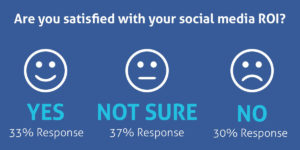
Changing algorithms, new ad options, new functionalities – the constant changes in the social media landscape can be hard to stay on top of, and causes headaches for many organisations.
In a survey by Sensai, 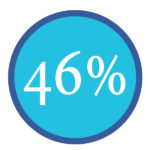
of respondents shared that managing social media channels is harder than filling out income tax paperwork.
The top 6 social media marketing challenges we see for businesses
- Facebook algorithm changes
- Rising ad costs
- Getting noticed in overcrowded feeds
- Too many trends/changes to keep up with
- Not enough people and resources
- Not understanding how to measure results
Source: Sensai
Benefits of Social Media Training
- No more ad-hoc social media activity
- Clear, strategic and measurable social media marketing
- Confidence that you are maximising your social media efforts
- Control your share of the conversation without letting your competitors dominate
- Boost staff motivation and morale by developing their skills and knowledge in Social Media
Have you considered Bespoke in-house social media training tailored to meet the requirements of your organisation?
We want to help you become self-sufficient with social media. If you train with us, we’ll give you the confidence, knowledge and practical skills you need to grow. Investing in social media training now will ensure your business does not get left behind.
From building a strategy to what to post and how to analyse results, this training will help you to find new clients, provide support and interact positively with existing and potential customers.
We deliver in-depth courses which give you a blend of best practice, strategy, practical exercises, guides, planning, discussion and Q&A.
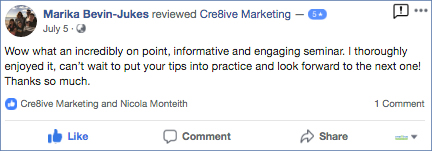
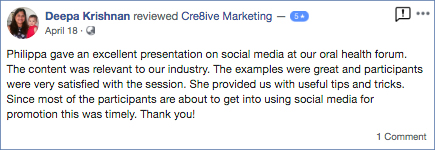
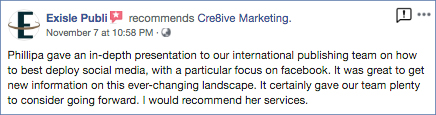
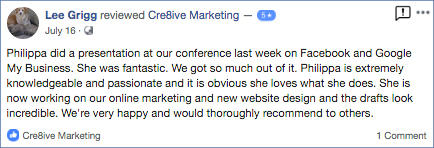
We offer in-house training and workshops and Philippa is often engaged as a keynote speaker. Here is some of our feedback.

Earlier in 2018, Instagram introduced an array of new tools and features. These tools have plenty of potential for businesses who are trying to stand out in their audience’s newsfeed. The following details the latest features on Instagram that can help promote your brand and engage more with your customers.
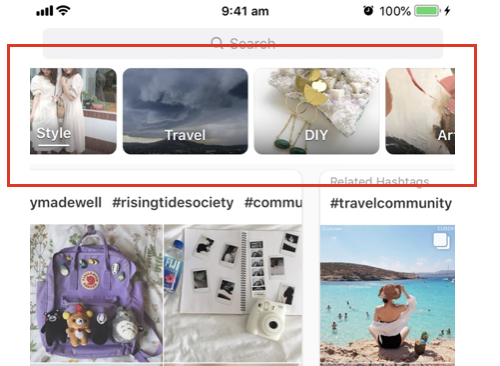
1. Instagram Topic Channels – these channels appear at the top of the ‘Explore’ section and show users different categories of posts eg. “For You”, “Art”, “Travel”. These will be collated, based on the user’s Instagram behaviour and interests. They offer a new great way to potentially connect with more members of your target audience who haven’t seen your brand yet.
These topic channels show hashtags relating to the topic so boost your posts with popular and relevant hashtags to get more reach out of your posts. If people are searching for these hashtags, then they potentially will be your target audience and see your post.
2. Video Chat in Direct Messaging – Similar to Facetime, you can video chat up to four people at one time, with all of them being on the same screen. You can also screen-share and show them what’s on your screen while you video chat.
Why Video Chat? This could be a great way to communicate with customers who have directly messaged you about concerns or a question. It’s helpful especially if you need to work through a screen to show them how to trouble shoot the exact problem they’re experiencing. It’s a faster and more convenient solution while achieving great customer service and hopefully exceeding customer expectations.
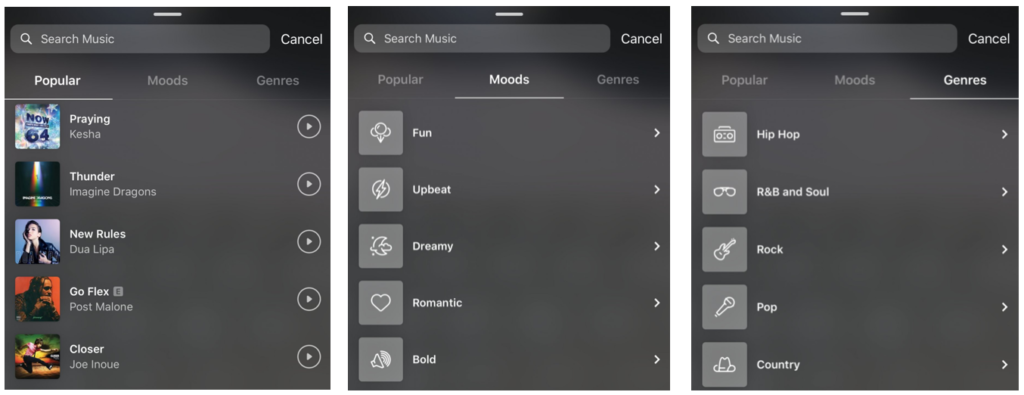
3. Add Music to Stories – choose music from Instagram’s music library to add to a Story. It contains a range of music, and you can choose a song through Mood, Genre or Popular. All music is free for commercial use.
Playing music can help enhance a certain mood of your Story or give it more impact.
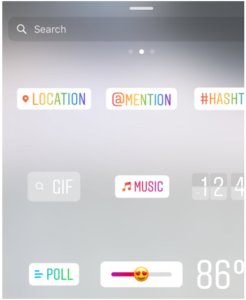
Step 1: Tap on the smiley-face icon in the top right of the screen after you take a photo for the story. This will open up the page of stickers you can add to the story.
Step 2: Scroll through the various genres and moods, or search for music on your own.
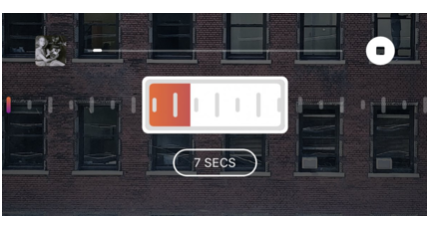
Step 3: Choose the duration of the clip, and which part of the song you want to play in your story. Once the clip is added to the story, you can choose to have the song that’s playing displayed in three different styles, from the album showing to just the title of the artist and the song.
4. New Question Sticker – This new sticker for Instagram Stories allows you to ask a question, and the user can type a response. You will see all the responses privately. This tool will encourage engagement with potential and regular customers.
Uses for the New Instagram Sticker: You can engage more with customers and collect data from the responses and interactions. Ask them what they think about certain products, gain their opinion or start a discussion. Since you can share these responses publicly on your Story feed, this allows you the ability to share consumers ideas or responses too. You could start a competition and the best answer or idea wins a giveaway or even do a quick Q&A if you’re rolling out a new product which people might have questions about.
Here is a guide to add a sticker to your post:
1. Start by tapping the sticker button after uploading a photo or video to Instagram Stories.
2. Select the new question sticker and then type out your prompt. For example, you could write, “Where should we go next?”
3. Once you’ve written your prompt, place it wherever you’d like and share it to your story.
Here are some examples:
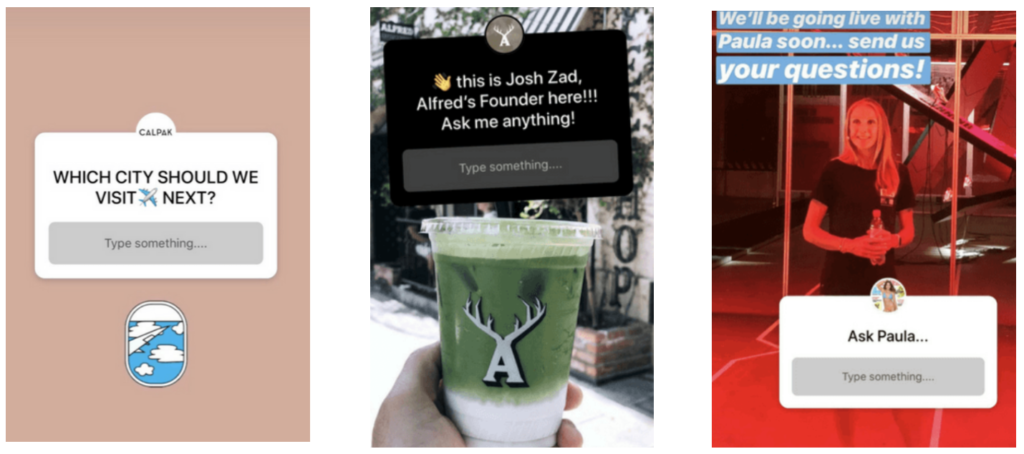
Finally, make sure to thank or respond to your audience as this will hopefully encourage them to engage more in the future.
5. Instagram TV (IGTV) – A new feature that could be seen as the “mini-Youtube” of Instagram. You can upload videos up to one hour. The content is meant to be ‘home-made’ videos, created by influencers and vloggers. The feature also has analytical capabilities so you can see who views, likes and comments on your video, as well as see your audience retention rate and when people swipe away from your video.
How to leverage IGTV? IGTV can be a great way to engage your target audience with interesting content. If you’re already posting videos to your website then this would be another platform to post your videos or vice versa put all of your IGTV videos onto your blogs and website to keep traffic going to your Instagram. Being able to save old IGTV videos and create a collection is a great way to build a social media community, retain followers and customers, and further promote your Brand.
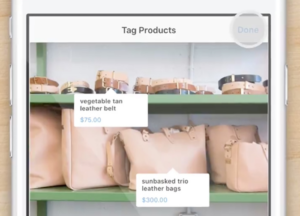
6. Shoppable Tags – a great feature for businesses with e-Commerce websites. In images and videos, businesses can now tag their products. These tags can include the name of the product, its price and provide a link to the product page.
If your products or services are possible to buy online, you should seriously consider this easy-to-use sales channel. The more opportunities your customer have to buy your product the more likely they will spend their money especially if it’s easy to access and obtain information.
Facebook’s Newsfeed has been declining in organic reach for number of years now but in January this year Mark Zuckerberg officially announced that “users will see less public content, including videos and other posts from publishers or businesses.” This is a major update to Facebook’s algorithm and all organisations using Facebook as a marketing tool need to rethink their posting strategy. Here are some tactics to help mitigate this update.
- At the end of a post request an action such as liking, sharing, or commenting below with something.(use this tactic sparingly)
- Respond to every single comment, preferable with ANOTHER question for the commenter to make them comment again.
- When you respond to comment, tag the person in it for extra notification on their homepage.
- Click “like” on every comment, even your own.
- Try to include a catchy image on the post. Simple images work best.
Essentially you want to make it appear there’s a ton of “activity” happening on your post, and Facebook will reward this with preferential placement in people’s Notification Centre and Newsfeed.
Having a Facebook presence isn’t worth much for your brand if you can’t figure out how to cut through the clutter and reach your target market. The best way to do this isn’t what brands like to hear: you need to allocate a budget and spend some money. This is particularly true more than ever since Facebook’s latest algorithm change in January 2018. However, using targeted ads will help you spend wisely.
The more you know about the people you’re advertising to, the better your ads will perform. Facebook offers many options for audience targeting. One of these is Facebook Custom Audiences. With Custom Audiences, you can retarget people who have interacted with your business already. For example, website visitors.
Website Custom Audiences Overview
When you market to a Custom Audience, you know exactly who is seeing your ads. Your messaging can be laser-targeted. This will help you increase your conversion rate and get a better return on your investment.
Most businesses are familiar with the most common types of custom audiences, like custom audiences created from a subscriber email list. There is also the Website Custom Audiences that more businesses should implement for even better results.
Instead of users’ email addresses or phone numbers, you can insert a Facebook Pixel tracking code on your website and target your Facebook Advertising to all users that have visited a specific page on your website during a set time period (up to 180 days).
After you add the Facebook pixel (a snippet of code) to the template of your website, you can create rules based on what page someone visited and how recently. This allows you to target people who know you, and you can craft relevant ads based on specific actions taken on your website.
Here, you’ll be able to create Website Custom Audiences based on the pages your visitor viewed and events they performed – accounting for frequency, values and device used, thereby ensuring you are targeting quality leads from your website and not those who only stay for a matter of seconds and bounce on the first page.
Find out more about the basics of setting up a website Custom Audience.
If you would like help to create a Facebook Marketing Campaign send an email
Running a Facebook Contest or Sweepstakes
Sweepstakes, contests and giveaways are increasingly popular among organisations who are vying for the attention of their social media audiences and for good reason as they can be very successful. When running a promotion make sure you understand what kind you will want to use:
- Sweepstakes are prize giveaways where the winners are randomly chosen.
- Contests choose a winner based on some merit. The winner is chosen based on some criteria such as best photo, most votes on a video, best recipe, etc.
We’ve been keeping an eye on Facebook and have found that many are violating Facebook’s Guidelines when running a sweepstakes or contest. Note, this article is not intended to be legal advice but rather suggestions about how to best comply with Facebook contest rules online.
Here are 3 examples of Timeline contests that violate the new Facebook Promotion Guidelines.
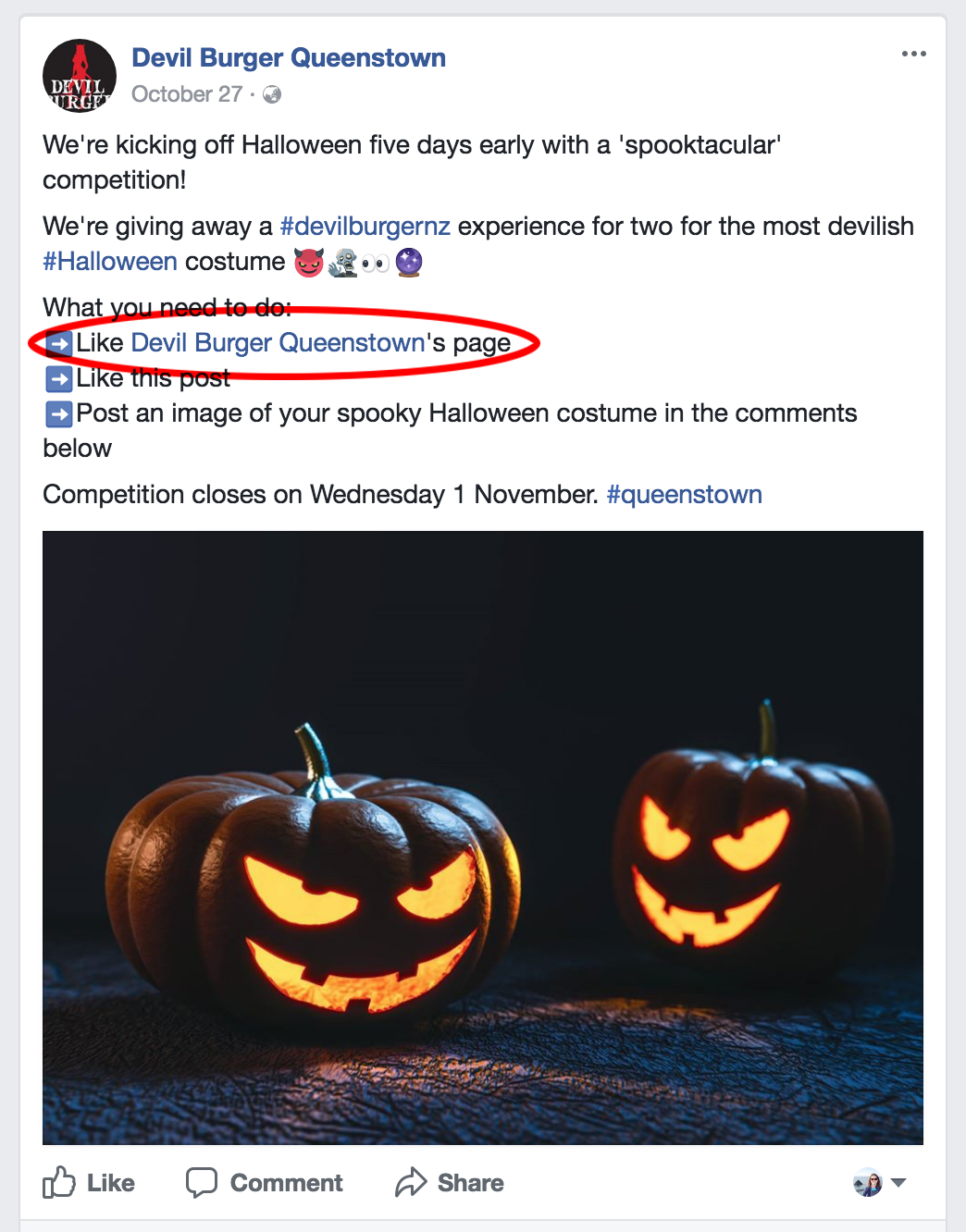
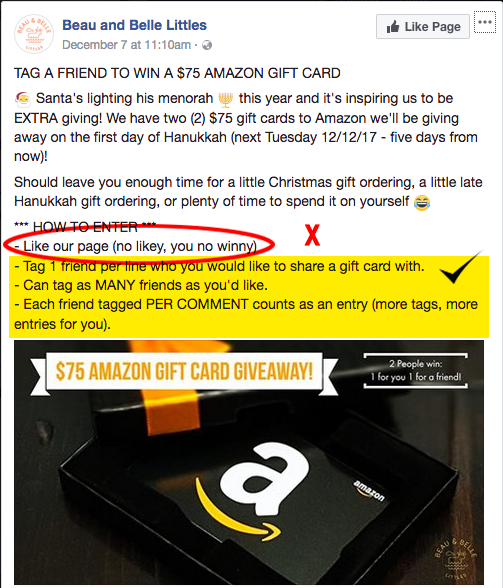
1. Cannot ask People to Like the Page to Enter
You cannot ask people to ‘Like’ your Facebook Page as a condition of entry. Facebook’s reasoning behind this is that it wants users to become a genuine fan that they want to receive news and information from a particular organisation not as a one-off chance of winning of a prize. From an organisation’s point of view it’s actually better to have quality fans not quantity. We have found that when running a contest on Facebook, even though we have not asked our users to like the Page, a number do anyway.
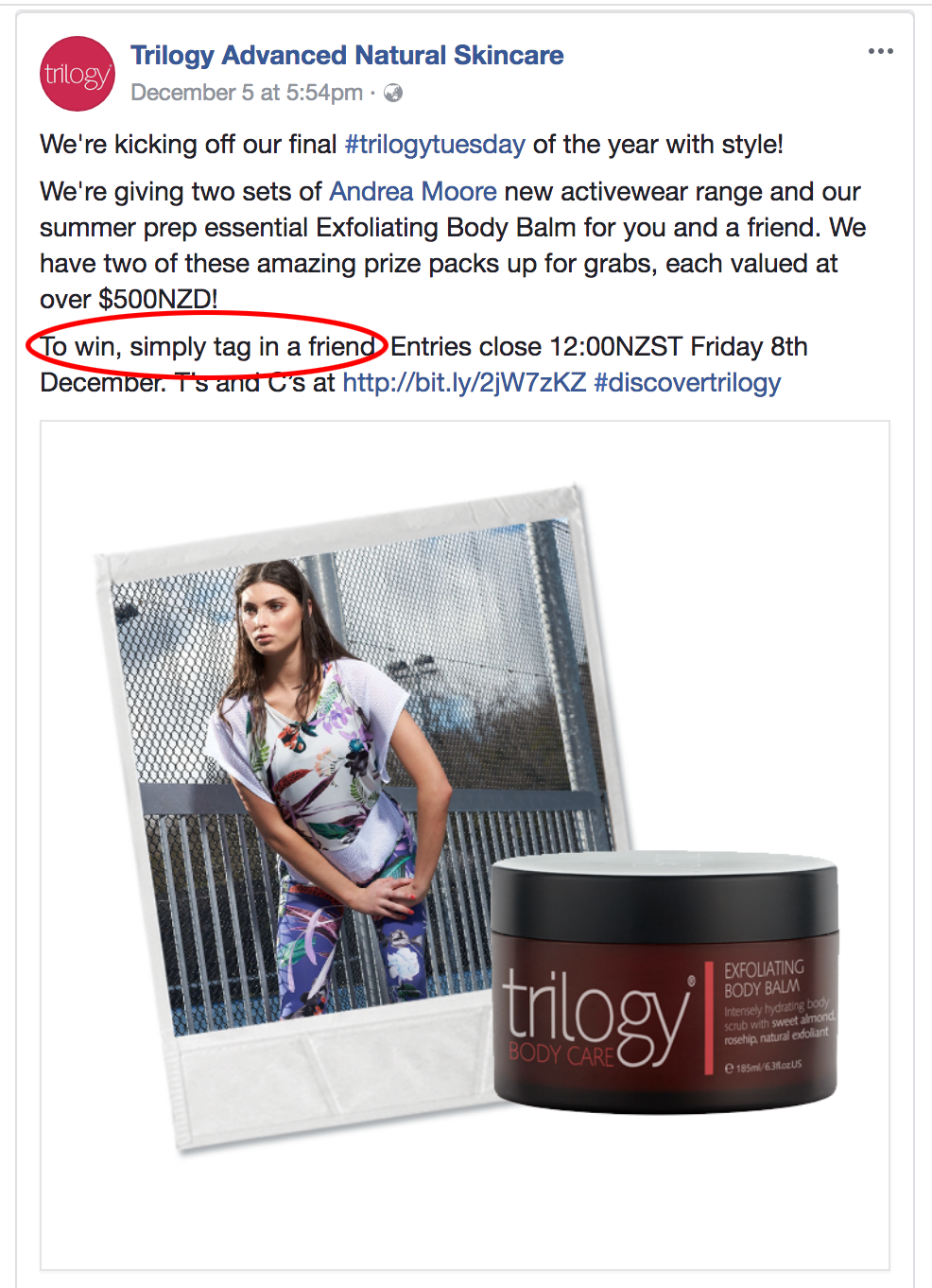
2. Can’t “Tag to Win”
Many businesses do not know that they are not allowed to ask people to ‘Tag’ someone for a chance to win.
Facebook has prohibited businesses from tagging or encouraging people to tag themselves in content that they’re not actually depicted in. For example, it’s alright to ask people to submit names of a new product in exchange for a chance to win a prize as part of a Facebook contest. However, asking fans to tag themselves in pictures of a new product in exchange for a chance to win a prize, is not permitted.
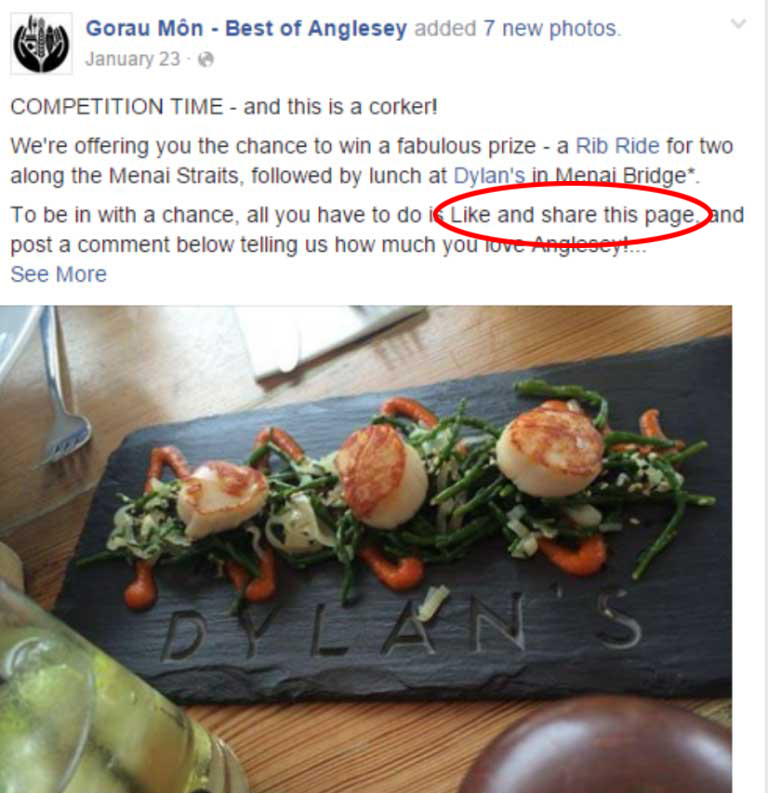
3. Not Permitted to ask Fans to “Share this Post”
Facebook quite clearly states that you are not allowed to ask users to Share your post, however many businesses are unaware about the consequences and do this anyway. If you want to promote your competition wider than your current fans, then ask them to Share the competition post but don’t tell them they have to in order to enter. Or use a third party app which has built-in viral sharing posts for each entry.
4. The Promotion has no terms and eligibility requirements
It is important to include the terms and conditions of your promotion such as any age and residency restrictions. Details of the start and finish, the entry process, who the promoter is, the number of times users can enter etc. You must also comply with applicable rules and regulations governing the promotion and all prizes offered relevant to the country you are operating in. Using the ‘Notes’ tab in your Facebook Page is a great place for the Ts&Cs.
This is What Facebook says About Promotions:
1. If you use Facebook to communicate or administer a promotion (ex: a contest or sweepstakes), you are responsible for the lawful operation of that promotion, including:
- The official rules;
- Offer terms and eligibility requirements (ex: age and residency restrictions); and
- Compliance with applicable rules and regulations governing the promotion and all prizes offered (ex: registration and obtaining necessary regulatory approvals)
2. Promotions on Facebook must include the following:
- A complete release of Facebook by each entrant or participant.
- Acknowledgement that the promotion is in no way sponsored, endorsed or administered by, or associated with, Facebook.
3. Promotions may be administered on Pages or within apps on Facebook. Personal Timelines must not be used to administer promotions (ex: “share on your Timeline to enter” or “share on your friend’s Timeline to get additional entries” is not permitted).
4. We will not assist you in the administration of your promotion, and you agree that if you use our service to administer your promotion, you do so at your own risk.
How You Can Ask Your Fans To Enter Your Facebook Contest
You are allowed to ask users to “like” or “comment” on your post or combine the two together. Quite often businesses will ask users to Like as well as comment to get the maximum effect.
See examples below of what you can ask your fans to do in order to enter your competition.
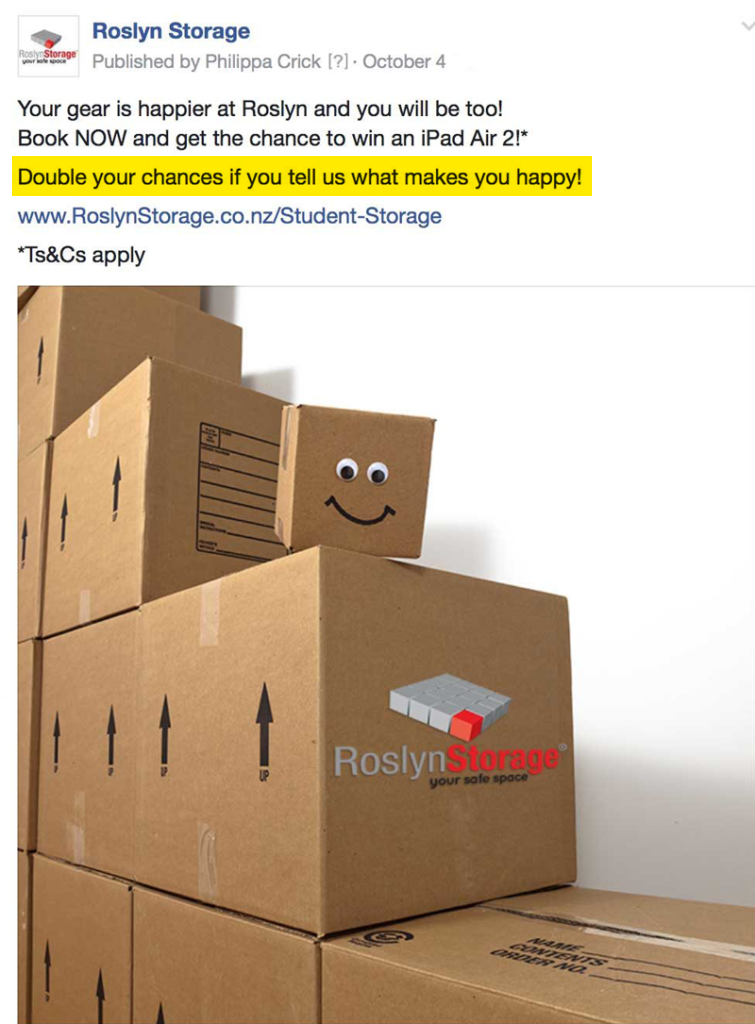
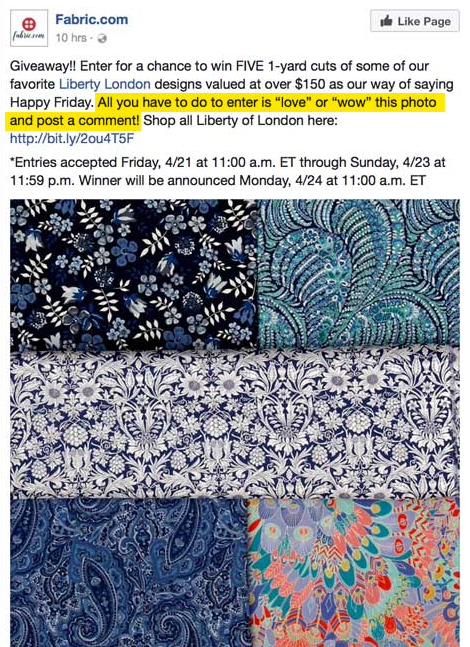
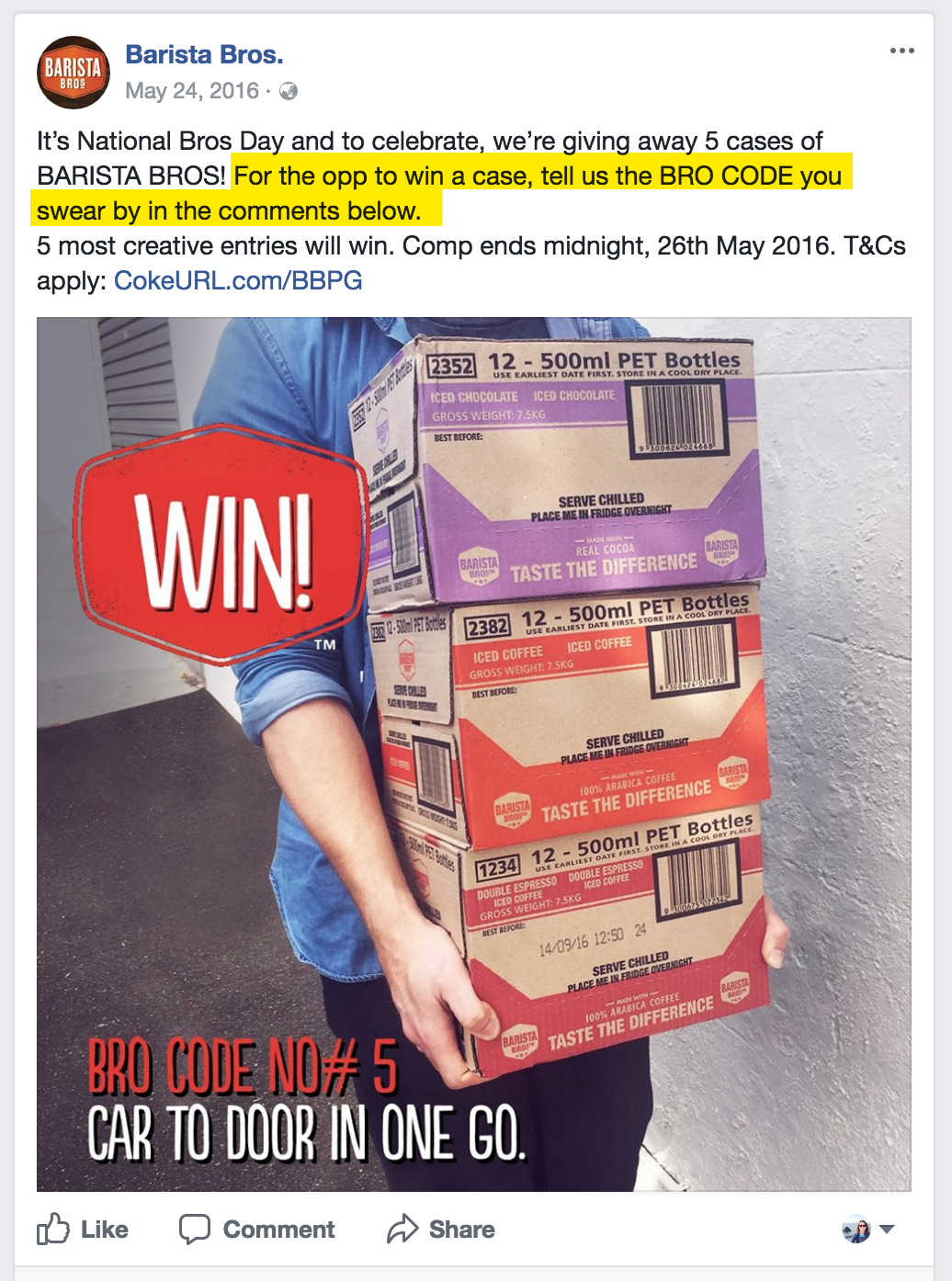
Although you can’t tag a friend as a condition of entry, you could ask your Fans to tag a friend who they would bring if they won a prize that involved someone else, such as a double pass to an event. This example below from Beau and Belle Littles shows how they have violated Facebook guidelines by asking users to like their Page as a condition of entry but also illustrates a clever and approved way to get comments for their giveaway.
After the Contest
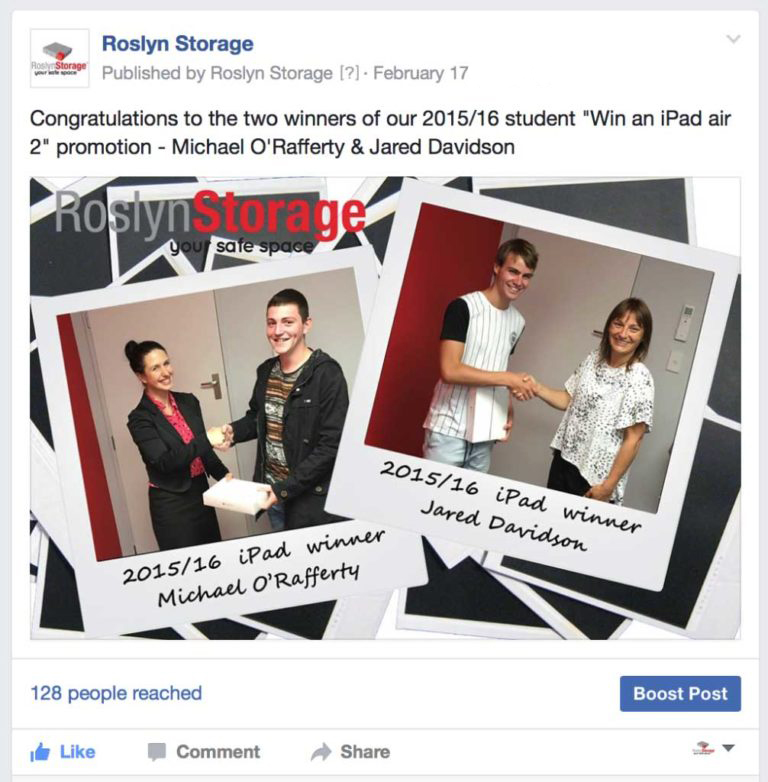
After you have run your contest and the winner has been drawn you may think you are finished but there’s just one thing left to do: Announce (and contact) the winner. To be sure you’ve run your contest within Facebook’s guidelines you must notify your winner before announcing anything on Facebook. The other entrants will be checking your Facebook Page to see if they won or who won. And with Facebook’s update to their promotion guidelines, you can announce contest winners with a Facebook Post. Best practice would be to email the contest winner, then if the winner consents, post a photo of them as a winner on either a blog post or as Facebook post.
Facebook Contest Do’s and Don’ts Summary
YES, you can ask people to do the following as a condition of entry:
- Like a post
- Comment on post
- Answer a question
- Add a photo to a post
- Post on a Page
- Message a Page
- Submit names for a new product
- Tag someone who they would like to bring with them if they won tickets
- Check-in to your business
- Post directly to a Page’s wall
NO, you can’t require people to:
- Share a Page to a user’s personal timeline
- Share a post to a user’s timeline
- Like a Page to enter
- Like a different Page to enter
- Like multiple Pages to enter
- Tag themselves in your post
- Tag other people in your post
What Will Facebook Do?
You may ask “but what will really happen to my Page if I ask users to like my Page to enter?” Maybe not much. However, you might get Facebook’s attention through consistent promotion guideline abuse. If you’re constantly running promotions that ask and incentivise users to tag, like a Page or share a post, you might get in trouble. Plus, if anyone reports your Page then Facebook is immediately alerted to any violations of their guidelines. Anything from a strongly worded message from Facebook itself to punishment of you Page such as:
- suspend fans from liking your page for a certain period of time
- remove the likes that were accumulated over a certain period
- take your page access away
- or completely delete your page
About the Author, Philippa Crick
 Philippa runs Cre8ive Marketing, an advertising, design and digital marketing agency that was originally established in Dunedin in 1978. An experienced Digital Marketing Expert in websites, email marketing, social media and Google Adwords with over 18 years experience across a myriad of sectors. Philippa is also a regular guest speaker at events and marketing trainer for businesses.
When you post updates on your business’s Facebook Page, your followers will potentially see those updates in their News Feeds. Each user’s News Feed is like the front page of a personalised newspaper. It includes recent popular updates both from their personal Facebook friends and from the businesses they follow.
You may think that when you gain a new fan for your business Facebook Page that they will automatically see your posts in their timeline. In fact, they are highly unlikely to see any of your posts. Just because someone has “liked” your page doesn’t mean they’re necessarily going to see your updates when they log onto Facebook. In fact, Facebook says that, on average, only a very small percentage of your fans will see any given update.
Back in 2013 Facebook began this process “Our goal is to show the right content to the right people at the right time so they don’t miss the stories that are important to them. As part of that we want to make sure that the best quality content is being produced, surfaced and shared. Our latest update to the News Feed ranking algorithm helps ensure that the organic content people see from Pages they are connected to is the most interesting to them.”
Facebook has become incredible complex, employing sophisticated algorithms to determine what is quality content. Updates that users have “liked,” shared with their friends, or commented on, will be displayed more often. In other words, the more popular the content is, the more likely your fans will see it.
That’s why your job is not only to post content regularly, but figure out what kinds of updates will get your fans to do something. The more you can inspire your fans to click “Like” on your updates, to leave comments, or to click “Share” to spread your words to their friends, the better your “reach” numbers will be. To show up in as many users’ newsfeeds as possible your content must be fresh, engaging, current and compelling. Then it becomes a cycle; the benefit of having a ‘popular’ post is that your subsequent posts will have an increased likelihood of being shown.
Not all interaction by users is considered equal. Facebook ranks each of the engagement measures with a different weighting.
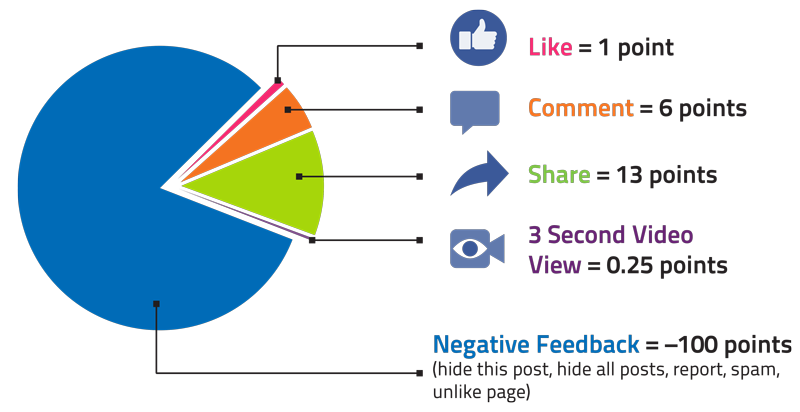
On the other side, if you post low engaging content or worse content that attracts negative feedback such as the user hides the posts, hides all posts or unlikes your Page, this will have a negative impact on your future posts with a lower reach. You need to be regularly checking your engagement in Facebook’s analytics to see what is and what isn’t working.
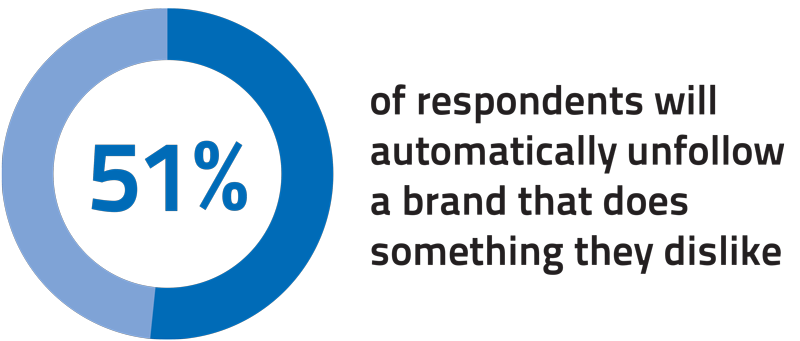
Detail in Your Facebook Marketing Strategy How to Get Around Declining Organic Reach
Your Page strategy should detail how you are going to produce high quality content and your process for optimising for engagement and reach. Here are some tips to utilise when creating your posts:
- Make your posts timely and relevant (use Facebook Insights to see when your Fans are online)
- Build credibility and trust with your audience
- Ask yourself, “Would people share this with their friends or recommend it to others?”
- Think about, “Would my audience want to see this in their News Feeds?”
- Visual Content is 40 times more likely to be shared on social media channels than non-visual content
- Ask questions with ‘true / false / yes / no’ answers
- Go LIVE – use Facebook’s Live tool as this will have more organic reach than just an image or video linked from Youtube
- Other ideas about how to generate Facebook engagement
Of course, for any important messages – you need to pay.
If you need more assistance with your Facebook strategy and understanding how to get the most out of it, you can join a group training session or have a private training scheduled with an expert in Facebook.
Want to add an extra touch to your social posts/tweets or bios? You can adorn these with special characters. The main reasons for doing so is that they stand out amid text on crowded social channels and secondly, they can say a lot without eating up your character limits.
Here are ways to use them in social posts:
- In a call to action, you can suggest your audience ☎ (call) or ✉ (email).
- Use a ✔ (checkmark) or ★ (star) to add visual prominence.
- Drive attention to a link with an arrow like this one:
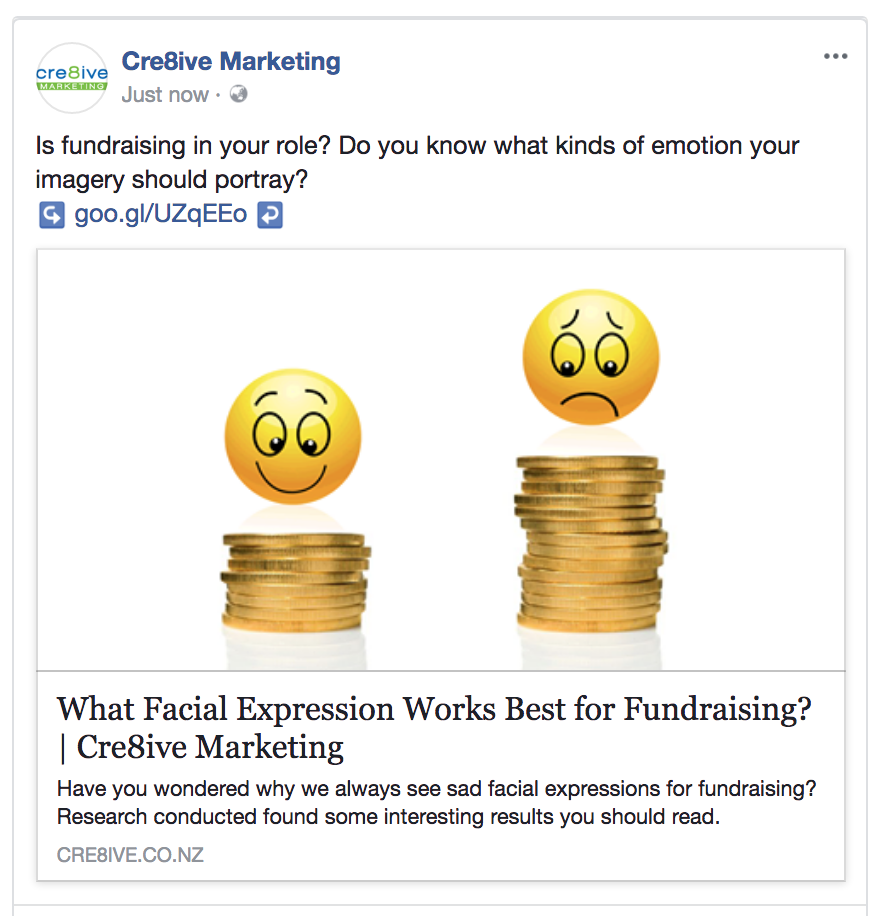
Special characters can also be useful in other places. No need to include in title tags as they won’t show up in Google search results but you can add them to social media profile bios, like Cre8ive’s Instagram account:
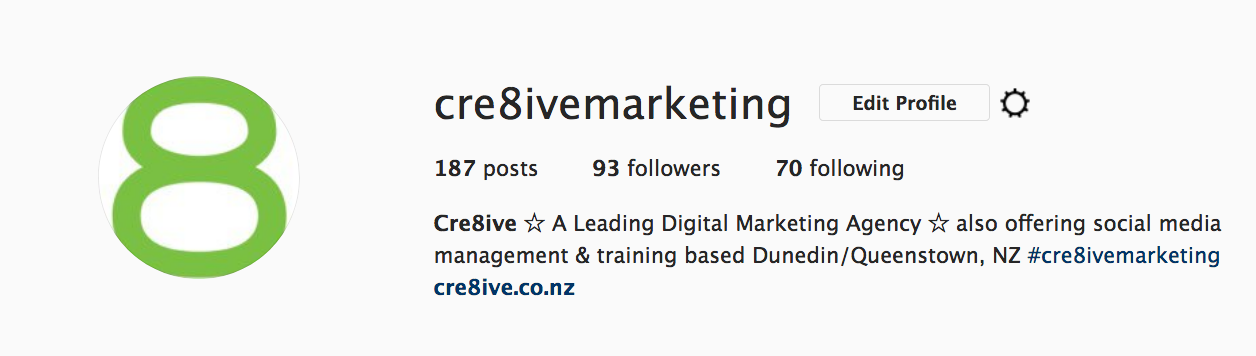
Where can you find them? A fast way to find and add special characters is to use CopyPasteCharacter. This site has hundreds of characters to choose from.
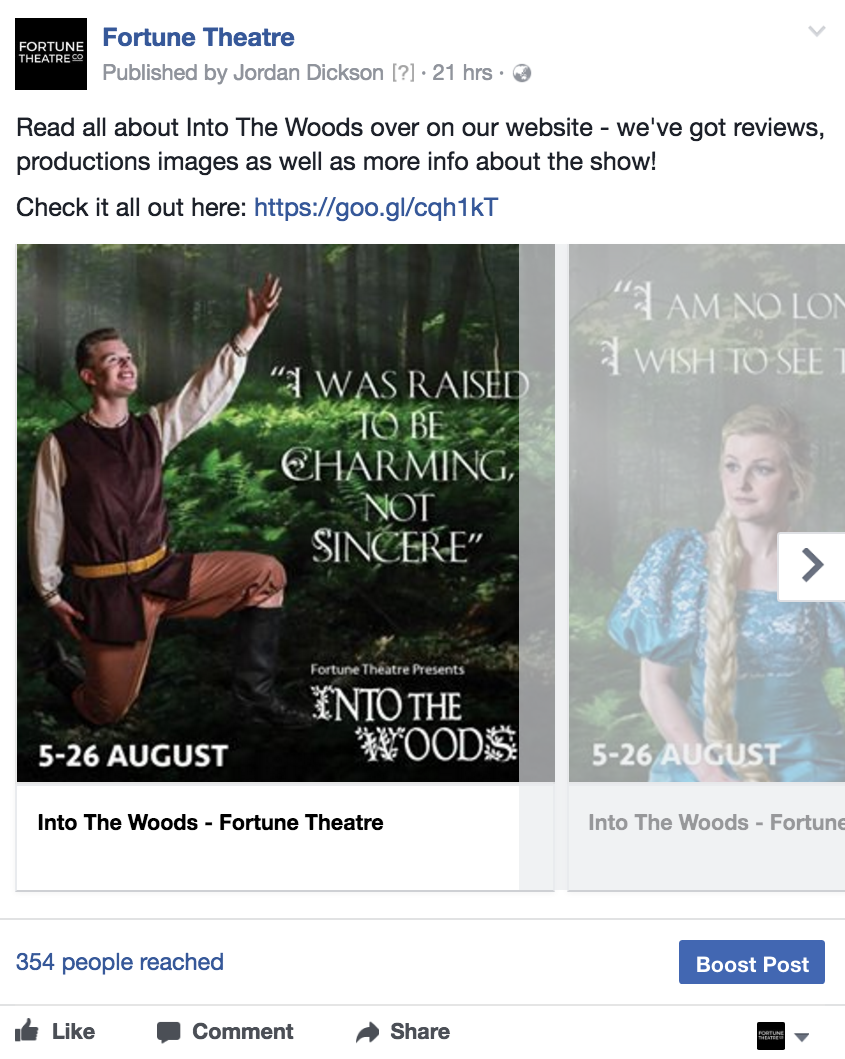
As from 19 July 2017, Facebook removed the ability to edit previews on LINK posts which is when you link to other websites in your post. When you do this type of update, Facebook will fetch this page’s information to display a title, description and image. Previously you could change the image and copy that appeared however now Facebook has stopped this to help limit the spread of false news.
If you want a specific image to appear you will now have to create a photo carousel, see example. The size is now 1080×1080 pixels.
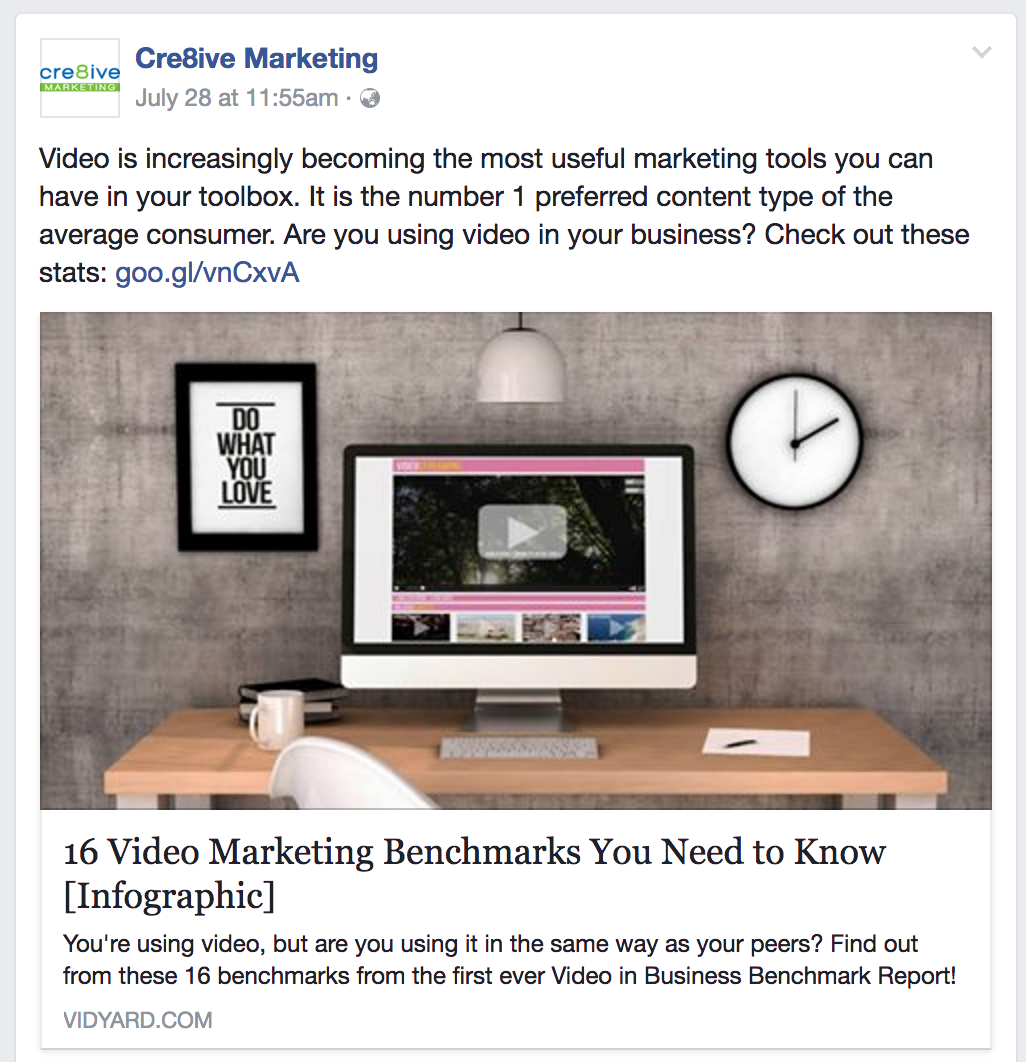
If you want to link a Facebook post to your website, try to keep your web images as close to 1.91:1 aspect ratio as possible to display the full image in News Feed without any cropping. Use images that are at least 1200 x 630 pixels for the best display on high resolution devices.
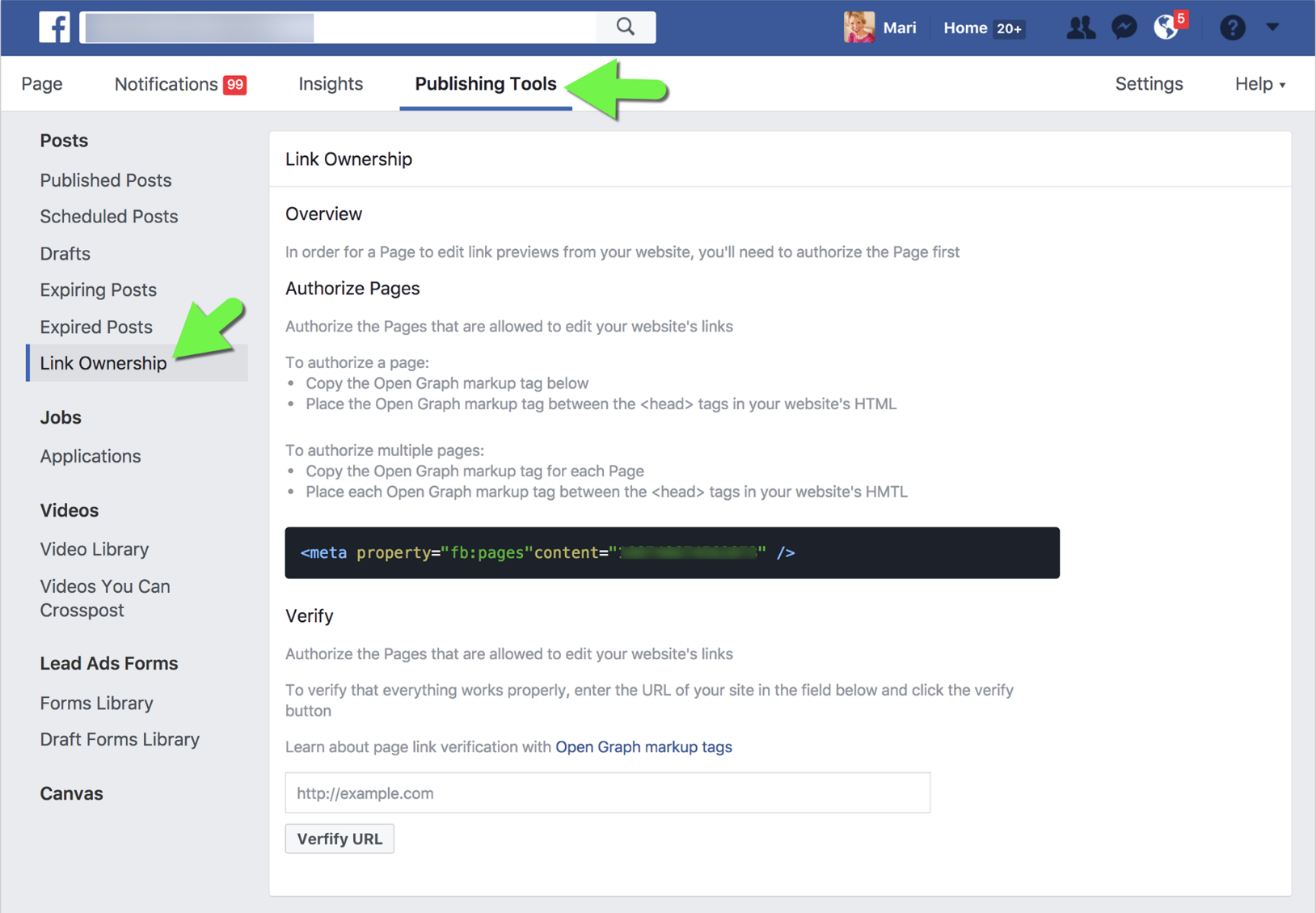
However, if you are a publisher, Facebook is rolling out a new feature, called “Link Ownership.” It’s a new tab under Publishing Tools and is mostly only available for media pages. If you have access to this feature you will need to act fast as you only have until 12 September to active this feature.
Facebook’s official announcement states:
“On September 12, 2017 we will complete the feature removal such that publishers’ Page(s) will only be allowed to edit links from website domains they have authorised with the link ownership tool.”
The ability to ‘claim’ Link Ownership requires placing a piece of code on your website and then they are able to edit their OWN links – not other’s.